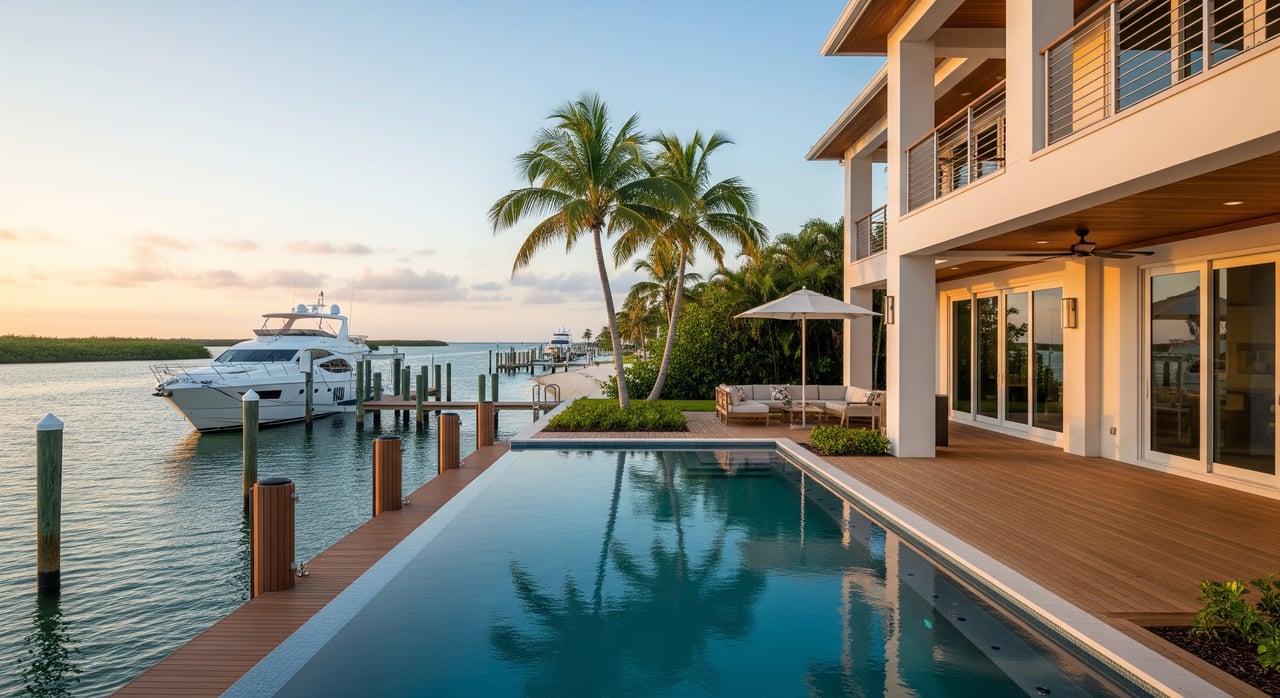
You are not just selling a house on the water. You are selling a view, a lifestyle, and the confidence that your property is built and permitted for the coast. If you plan to list on Longboat Key in the next 12 to 24 months, a little preparation now can protect your sale price later. In this guide, you will learn what waterfront buyers prioritize on the Manatee County side of the island and how to position your home to meet those expectations. Let’s dive in.
What buyers prioritize on Longboat Key
View and orientation
Buyers pay for sightlines. Broad Gulf or bay views, minimal obstructions, and west‑facing exposures for sunsets tend to get strong responses. They also ask whether future construction could block the view. Point buyers to the Town’s planning and zoning details so they can understand setback and height rules on the island. You can include relevant references from the Town of Longboat Key in your property packet.
Water access and navigation
Boaters want usable dockage with adequate depth at mean low tide, a reliable lift, and easy access to the Gulf without low fixed bridges. Many will ask about paths through Longboat Pass or New Pass and any tidal limitations. Have your dock and seawall evaluated and gather any permits or as‑built drawings in advance. For navigation questions, share official marine resources like NOAA nautical charts and NOAA tide tables for the Longboat area.
Condition and level of renovation
Today’s coastal buyers prefer homes that are functionally updated. Expect questions about roof life, window and door ratings, garage door strength, and any moisture or structural history. High‑impact upgrades that improve hurricane readiness and reduce maintenance often matter more than cosmetic-only renovations. If you have inspection reports or recent system updates, highlight them in your listing materials.
Flood risk, elevation, and insurance
Insurance cost and availability are front of mind. Buyers look for a current elevation certificate, flood zone designation, and any claims history. Properties in VE or AE zones can face higher premiums and stricter building standards, so clarity helps. Encourage buyers to verify your property’s zone at the FEMA Flood Map Service Center and to consult insurers with your elevation data.
Outdoor living and privacy
A well‑designed lanai, screened areas, pool or spa, and low‑maintenance landscaping help buyers imagine daily life on the water. On Longboat Key, outdoor spaces that maximize views while respecting coastal setbacks are especially valuable. Salt‑tolerant plantings and simple hardscapes appeal to second‑home and seasonal buyers who want an easy lock‑and‑leave setup.
HOA, condo, and rental rules
Clarity and documentation are key. For condos and homes within associations, buyers will review financials, reserves, upcoming capital projects, rental policies, and insurance structures. Proactively offer the latest HOA documents, meeting minutes, and details on any approved or planned seawall or roof projects.
Environmental and regulatory factors
Coastal properties face unique permitting and seasonal rules. Waterfront buyers check whether docks, lifts, and seawalls are properly permitted and whether mangrove trimming has been handled correctly. Provide links to official resources such as the Florida Department of Environmental Protection for mangrove and coastal permitting information, and the Town of Longboat Key for local coastal guidance.
A seller checklist buyers will love
Documentation to assemble
- Current elevation certificate
- Seawall and dock permits, repair records, and as‑built drawings
- Flood insurance declarations and any claims history
- HOA or condo financials, meeting minutes, and reserve studies
- Recent marine inspection for dock and lift, plus a general home inspection
Buyers ask for these early. Having them ready speeds decisions and shows you have cared for the property.
Critical repairs and inspections
- Seawall or bulkhead: repair visible cracking, spalling, or movement and obtain a recent inspection
- Dock and lift: confirm structural integrity, working lift motors, safe electrical, and current permits
- Hurricane protection: verify roof condition and confirm wind‑rated windows, doors, and shutters are functioning
- HVAC and plumbing: service or replace components affected by salt air corrosion
Addressing these items up front reduces renegotiations and protects your net.
Elevation and resilience upgrades
- Document foundation type and finished floor elevations
- Elevate utilities where feasible and consider flood vents if appropriate
- Install hurricane‑rated garage doors and impact glass where cost‑effective
These steps can improve buyer confidence and may help with insurance quotes.
Curb appeal and outdoor staging
- Simplify shoreline areas and remove clutter
- Add comfortable, durable outdoor furnishings and lighting
- Refresh landscaping with salt‑tolerant plants and privacy hedges
- For Gulf‑front lots, make beach access clear and inviting
You are selling the waterfront lifestyle. Stage it.
Pricing and marketing positioning
- Market by water type: Gulf‑front, bayfront, and deep‑water canal homes attract different buyers
- Use targeted visuals: aerial shots showing access, sunset photos, and diagrams of dock depth and route to open water
- Package your documentation: include permits, inspection summaries, and insurance details in a clean buyer packet
Accurate, transparent marketing helps justify premium pricing and reduces buyer hesitation.
Disclosures and transparency
Fully disclose shoreline work, permit questions, encroachments, prior flooding, and insurance claims. Buyers will likely verify title, surveys, and permit histories with the county and state. Provide links to Manatee County property and permitting resources and the Manatee County Property Appraiser so they can review public records.
Permits, flood zones, and insurance basics
- Permits and jurisdiction. Docks, lifts, seawalls, and significant shoreline work typically require county and state permits. Some projects also involve federal review. Direct buyers to local guidance from the Town of Longboat Key and state guidance from the Florida Department of Environmental Protection for process and timelines.
- Flood zones and building code. FEMA zones like VE and AE influence construction standards and insurance cost. Invite buyers to confirm your property’s zone at the FEMA Flood Map Service Center and to review your elevation certificate when requesting quotes.
- Insurance realities. Coastal insurance can vary by carrier and coverage type. Providing your most recent wind and flood policy details, along with mitigation features, helps buyers compare quotes with fewer surprises.
Your 30, 60, and 90‑day action plan
Day 1–30: Prep and paperwork
- Order or locate your elevation certificate
- Pull dock and seawall permits and repair records
- Schedule a marine inspection for dock and lift
- Schedule a general home inspection to identify issues early
- Assemble HOA or condo financials and meeting minutes
Day 31–60: Fix and fortify
- Complete seawall and dock maintenance suggested by inspections
- Service HVAC, plumbing, and electrical, with attention to coastal wear
- Address roof, window, door, and shutter items that affect storm readiness
- Gather current insurance declarations and mitigation credits
Day 61–90: Stage and position
- Update landscaping and outdoor furnishings for clean, low‑maintenance appeal
- Capture drone and sunset photography once repairs are complete
- Create a simple diagram of water depth at the dock and route to open water
- Package all documentation into a buyer‑friendly digital folder
Preempt common buyer objections
- Dock or seawall concerns. Provide a recent marine inspection, photos, and permits. Note any repairs completed and vendor warranties.
- Insurance costs. Share your latest premium details and mitigation features. Encourage buyers to obtain quotes using your elevation certificate.
- Flood and erosion risk. Offer elevation data, maintenance records, and any nearby shoreline management or beach renourishment context from the Town of Longboat Key.
- HOA or condo assessments. Provide current financials, reserve studies, and a summary of planned capital projects.
A thoughtful, transparent approach builds trust and keeps negotiations focused on value rather than unknowns.
Ready to tailor this to your property’s water type, elevation, and permitting history? Reach out to schedule a walkthrough and a custom plan that highlights your home’s strengths and removes friction for qualified buyers. Contact Jesse Griffin to get your personalized market plan.
FAQs
What do Longboat Key boaters check first?
- Most start with dock depth at mean low tide, lift capacity, and whether they can reach the Gulf through Longboat Pass or New Pass without low fixed bridges.
How can I estimate flood insurance for my home?
- Share your elevation certificate, flood zone, age of roof and openings, and mitigation features with insurers. Buyers can verify zones at the FEMA Flood Map Service Center.
Do I need permits for dock or seawall work?
- Yes, most shoreline work requires county and state approvals. Direct buyers and contractors to the Town of Longboat Key and the Florida Department of Environmental Protection for process and timelines.
What adds more value, Gulf or dockage?
- It depends on the buyer. Gulf‑front views are prized by lifestyle buyers, while deep‑water dockage with easy Gulf access is essential for serious boaters. Position your home based on its strongest water asset.
What HOA or condo documents should I provide?
- Offer recent financials, meeting minutes, reserve studies, insurance details, and any information on seawall, roof, or capital projects, plus rental and pet rules if applicable.