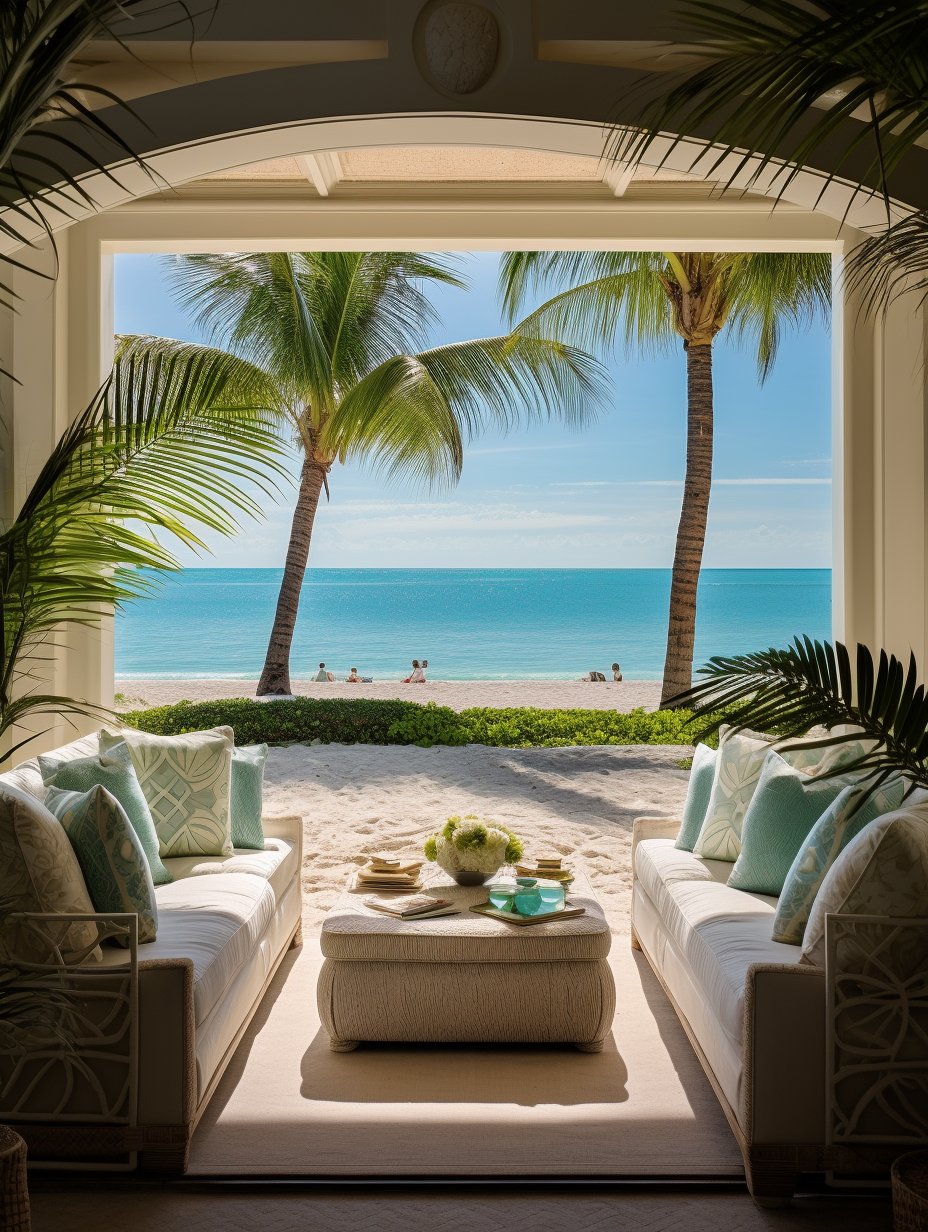
If you are craving a coastal lifestyle that feels easy, unhurried, and genuinely connected to the water, Anna Maria should be on your radar. This small city at the north end of Anna Maria Island offers a residential setting with a slower daily pace, and that is a big part of why buyers, second-home shoppers, and seasonal owners keep coming back. In this guide, you will get a closer look at what laid-back living on Anna Maria Island really means, from the streetscape and beaches to transportation, shops, and everyday routines. Let’s dive in.
What makes Anna Maria feel different
Anna Maria is the northernmost city on Anna Maria Island, a 7-mile barrier island in the Gulf of Mexico made up of Anna Maria, Holmes Beach, and Bradenton Beach, according to the Anna Maria Island Chamber of Commerce. The city describes itself as a residential community with a laid-back lifestyle, and it also notes that many owners are part-time residents. That combination gives the area a unique rhythm that appeals to both full-time homeowners and second-home buyers.
The island may be compact, but each city has its own role. The City of Anna Maria explains that Anna Maria is the most residential section, while Holmes Beach serves as the commercial center and Bradenton Beach has more of a tourist focus. For you, that can mean a quieter home base in the north while still having access to shopping, dining, and activity throughout the island.
Low-rise character shapes daily life
One reason Anna Maria feels so relaxed is that its built environment stays intentionally low-scale. Under the city charter, structures are limited to two residential or habitable floors and 37 feet above the crown of the abutting road. The chamber also notes that high-rise condos are absent on the island.
That matters because the visual experience stays open, coastal, and human-scaled. Instead of towers dominating the skyline, you get a streetscape that feels more village-like and residential. For buyers who want a barrier island setting without a high-density resort atmosphere, that low-rise look is a defining feature.
Beach life here is simple and protected
Laid-back living on Anna Maria is not just about what is present. It is also about what is intentionally limited. The city’s beach regulations prohibit alcohol, glass containers, pets, grills and fires, motorized vehicles, and bicycles on the sand.
Those rules help preserve a shoreline experience that feels cleaner, quieter, and more nature-focused. The same regulations remind visitors and residents that they are sharing the beaches with manatees, sea turtles, nesting birds, and other wildlife. The city also describes Anna Maria as a bird sanctuary and notes that its beaches are a prime nesting ground for endangered loggerhead turtles, reinforcing how closely the island’s identity is tied to conservation.
Sunrise, sunset, and daily rhythm
Part of Anna Maria’s appeal is not complicated at all. It is the simple pattern of coastal days. The chamber highlights the experience of sunrise over Tampa Bay and sunset over the Gulf, which captures the island’s natural bookends and helps explain why so many people think of this area as a place to slow down.
For many buyers, that rhythm is the lifestyle. You may start your day near the bay, run a few errands, spend time at the beach, and end the evening with a west-facing sunset. It is less about rushing from one destination to the next and more about enjoying a place where the water is never far from view.
Getting around without the hassle
Another reason Anna Maria feels easy to live in is transportation. According to Manatee County Area Transit, the free Anna Maria Island trolley runs every day from 6 a.m. to 10:30 p.m. every 20 minutes along Gulf Drive, from the Anna Maria City Pier to Coquina Beach, 365 days a year.
The chamber presents the trolley as part of a broader island transportation pattern that includes walking, biking, and renting golf carts or scooters, and it explicitly notes that you do not need a car on Anna Maria Island. That can be a major draw if you are looking for a second-home lifestyle where everyday movement feels lighter and less car-dependent.
It is also worth noting that bicycles are not allowed on the sand under the city’s beach rules. So while biking is part of daily life, it is mainly a neighborhood and street activity rather than a beach activity. That helps preserve the beach as a pedestrian-oriented space.
Everyday convenience without a heavy commercial feel
Anna Maria’s laid-back identity does not mean giving up convenience. The chamber describes the island as home to specialty shops, boutiques, and restaurants across several small shopping districts. In Anna Maria itself, Pine Avenue and Gulf Drive are key retail corridors, while Holmes Beach and Bradenton Beach offer additional options that are easy to reach by trolley.
That setup supports a lifestyle that feels local rather than overbuilt. You can handle errands, browse shops, and grab a meal without the sense of being surrounded by a large commercial strip. For many buyers, that balance is exactly what makes the island appealing.
A good example is the Anna Maria General Store, which the chamber says has served as a local source for food, drinks, and supplies since the 1950s. Places like that reflect the practical side of island living. You still have the essentials, but in a setting that feels rooted in the community.
Beach access with practical options
If beach time is part of your daily routine, practical access matters. The Florida Coastal Access Guide for Manatee County states that the only county beaches with full amenities are Manatee Beach Park and Coquina Gulfside Park, both located on the island.
That gives you two well-equipped beach hubs rather than one central access point. For residents and seasonal owners, that can make a difference in how easily you build beach visits into everyday life. It also spreads activity across the island instead of concentrating everything in a single destination.
Community life beyond the shoreline
A common misconception about island living is that it revolves only around the beach. In Anna Maria, community life extends beyond the sand. The Island Branch Library serves Anna Maria Island with programs for all ages and community outreach, and the Island Players has been staging live theater on the island since 1949, as noted in the research provided.
That matters if you are thinking beyond vacation mode. A place feels more livable when it has local institutions, community resources, and year-round routines. The chamber also maintains community-resource and volunteer listings, which can be useful for both full-time residents and part-time owners who want to feel more connected.
Why second-home buyers notice Anna Maria
Anna Maria is especially relevant if you are considering a second home or seasonal property. The city notes that many property owners are part-time residents, which aligns naturally with buyers who want a place to use throughout the year without stepping into a more intense resort environment.
The appeal is straightforward:
- A residential setting at the north end of the island
- Low-rise development patterns
- Walkable and trolley-connected daily life
- Beach access paired with conservation-minded rules
- Small-scale shops and services for everyday needs
- Community institutions that support life beyond peak vacation season
For many buyers, that mix creates a lifestyle centered on routines, not just getaways. It feels more like having a coastal home base and less like owning in a high-density visitor district.
What laid-back living really means here
On Anna Maria, laid-back living is not an abstract idea. It shows up in the city’s residential character, the low-rise skyline, the way people move around the island, and the care taken to protect the shoreline. It also shows up in the small details, like neighborhood shopping districts, a long-running general store, library programs, and the option to leave the car parked.
If you are searching for a place where coastal ownership feels both scenic and practical, Anna Maria offers a strong case. You get beauty, convenience, and a real sense of place without giving up the slower pace that makes barrier island life so appealing.
If you are exploring homes on Anna Maria Island or comparing nearby coastal communities, Jesse Griffin can help you understand the lifestyle, neighborhood fit, and market opportunities with local insight and personalized guidance.
FAQs
What is Anna Maria known for on Anna Maria Island?
- Anna Maria is known as the most residential of the island’s three cities, with a laid-back lifestyle, low-rise character, and a strong connection to beach and wildlife preservation.
Can you get around Anna Maria Island without a car?
- Yes. According to Manatee County Area Transit and the chamber, many people use the free Anna Maria Island trolley, along with walking, biking, and other small-scale transportation options.
Are there high-rise condos in Anna Maria?
- No. The city charter limits structures to two residential or habitable floors and 37 feet above the crown of the abutting road, and the chamber notes that high-rise condos are absent.
What is beach life like in Anna Maria?
- Beach life in Anna Maria is simple and conservation-focused, with rules that prohibit alcohol, glass containers, pets, grills and fires, motorized vehicles, and bicycles on the sand.
Is Anna Maria a good fit for second-home buyers?
- It can be a strong fit for second-home and seasonal buyers because the city notes that many owners are part-time residents and the area combines residential character, beach access, and convenient island amenities.