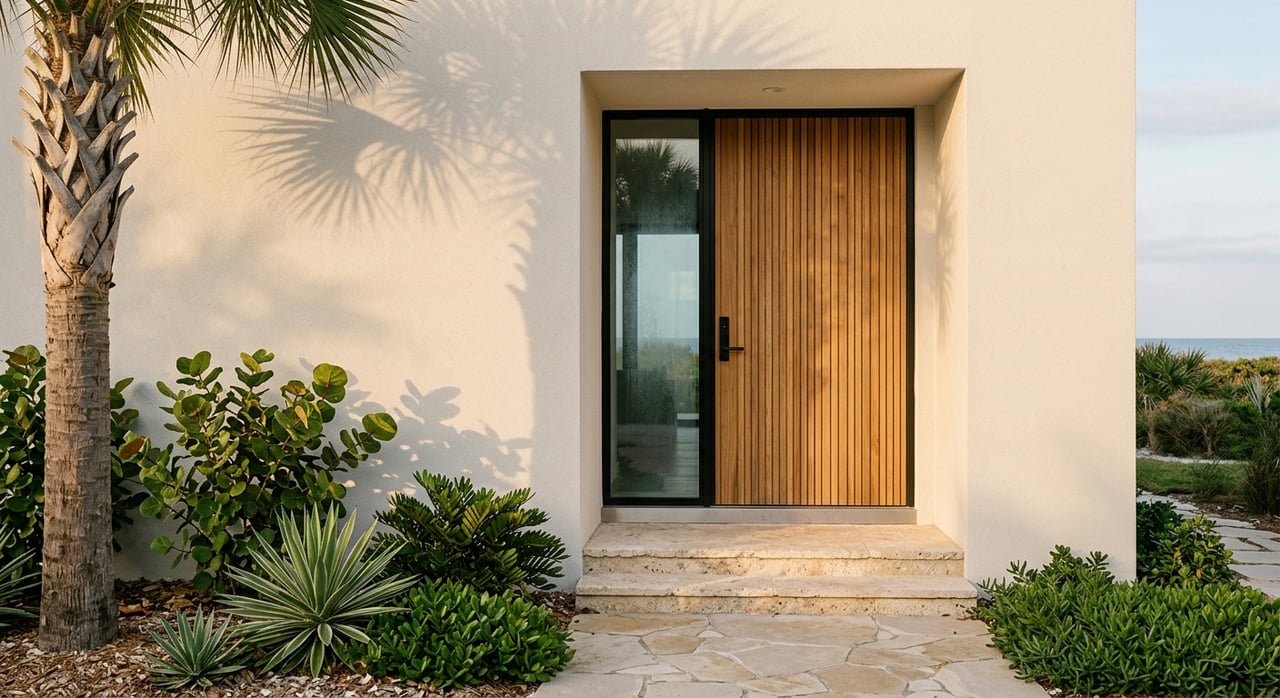
If you are thinking about turning an Anna Maria property into a vacation rental, the biggest surprise is often this: getting started is not just about furniture, photos, and listing sites. In the City of Anna Maria, it is a compliance-first process with city, county, and state steps that need to line up before your first guest arrives. If you want to avoid delays, missed filings, or costly mistakes, this guide will walk you through what matters most and how to start smart. Let’s dive in.
Start With Rules First
Before you think about decor or nightly rates, make sure the property can legally operate as a short-term rental. If the home is part of a condo or HOA, you need to review those governing documents carefully. Under Florida law, association documents and recorded covenants can regulate or restrict rental agreements, so city approval alone is not enough. You can review the relevant Florida statute on the HOA disclosure summary and governing documents.
This is especially important if you are buying a second home with rental income in mind. A property may look ideal on paper, but the rental model still has to fit the association rules, the city registration process, and your own plan for handling operations. That is why this review should happen as early as possible.
Secure State Licensing
In Florida, many short-term rentals need a lodging license through the Department of Business and Professional Regulation, or DBPR. According to the state’s vacation rental licensing guide, renting an entire unit more than three times in a calendar year for stays of less than 30 days, or holding it out as regularly rented to guests, triggers the license requirement.
DBPR also separates condo and dwelling licenses, so the application path depends on the property type. The agency notes that online vacation rental applications are usually processed in one to two business days, but updates to rental units must be handled through the owner’s DBPR account. That makes it important to keep your records current if ownership details or unit details change.
Register for Taxes Early
Tax setup is one of the most important parts of launching a vacation rental on Anna Maria. You will need to register with the Florida Department of Revenue for state tax purposes, and you can do that through the state’s online business tax registration portal.
You also need to account for Manatee County tourist taxes. According to the county, the total tax on rentals of six months or less is 13%, made up of 6% county tourist tax plus 7% state sales and use tax. That tax structure can affect your pricing, your booking setup, and the way you track revenue from day one.
Complete Anna Maria Registration
For properties inside the City of Anna Maria, city registration is a required step, not an optional extra. The city’s vacation rental rules and regulations require annual registration and inspection, and a new rental may not be advertised or rented until written authorization is issued.
The city requires several items as part of the registration process, including:
- A current DBPR license
- A Florida Department of Revenue certificate
- A Manatee County tax account
- An exterior site sketch showing off-street parking
- An interior floor sketch
- Payment of the registration fee
- A mandatory annual inspection
The city also notes that renewal applications should be filed at least 45 days before expiration, and fees are non-refundable. As of the city’s 2026 to 2027 fee schedule, the fee is $100.20 per permitted occupant. That means occupancy is not just a marketing choice. It has direct compliance and cost implications.
The city reported 720 registered vacation rental properties as of February 13, 2026, which shows how established this segment is locally. It also shows why following the rules closely matters in a market with active oversight.
Do Not Advertise Too Soon
One of the easiest mistakes to make is assuming you can list the property while approvals are still in progress. In the City of Anna Maria, that is not allowed for a new vacation rental. The city states that written authorization must be issued before the property can be advertised or rented.
That can affect your launch timeline, especially if you are trying to align closing, furnishing, and a seasonal booking window. If you build your plan around photography and marketing before approvals are complete, you may end up with avoidable delays.
Keep Tax Records Organized
Once the rental is live, bookkeeping becomes part of the job. Manatee County says owners are responsible for remitting the 6% tourist tax directly, even when bookings come through platforms like Airbnb, HomeAway, or VRBO. You can review those county requirements on the Manatee County tourist tax page.
The county also states that returns are due by the first of the month and become late after the 20th. Even if you have no rentals for a reporting period, a zero return is still required. That alone makes a simple, reliable filing system essential.
It is also important to know what counts as taxable revenue. According to the county help center, taxable rental revenue includes mandatory non-refundable charges such as:
- Cleaning fees
- Pet fees
- Resort fees
- Reservation or administration fees
- Mandatory travel insurance
A good tracking system should cover booking income, required fees, tax remittances, inspection dates, renewal deadlines, and any notices or late fees. If ownership changes or you later transfer title into a different entity, the Florida Department of Revenue says a new registration may be required.
Set Up for Guest Safety
A successful vacation rental on Anna Maria needs to be guest-ready in more than just appearance. DBPR’s guidance says current licenses should be displayed conspicuously, and the unit should be kept clean, safe, and in good physical condition. The state also requires clean bedding and linens, sanitized dishes and glassware between guests, and a property free of vermin.
The same DBPR lodging guidance says smoke detectors should be installed in every living unit and the property must comply with the Life Safety Code under NFPA 101. If you are preparing an older home or condo, it is smart to check these items early instead of waiting until inspection time.
Build a Guest Book for Anna Maria
Local rules matter just as much as interior setup. The City of Anna Maria’s visitor information page highlights practical issues that can affect guest stays and owner compliance.
Your guest guide should clearly explain:
- Parking rules, since parking laws are strictly enforced
- Pool, spa, and hot tub quiet hours from 10 p.m. to 8 a.m.
- Beach rules that prohibit dogs, alcohol, glass, bicycles, motorized vehicles, and leaving furniture or trash behind
- Trash and bin expectations
- Exterior lighting rules during sea turtle nesting season
From May 1 through October 31, artificial lighting that directly or indirectly illuminates the beach is prohibited. For coastal rentals, that means exterior lighting, patio lighting, and pool lighting need careful attention. A clear house guide can help reduce complaints, citations, and guest confusion.
Plan for Maintenance and Inspections
Owning a vacation rental on Anna Maria is ongoing operational work. Because the city requires annual inspection and registration renewal, and the county requires recurring tax returns even when bookings are zero, you need a calendar that covers more than turnovers and deep cleans.
Your maintenance schedule should include:
- Annual inspection prep
- Registration renewal reminders
- Tax filing deadlines
- Seasonal maintenance checks
- Hurricane-season readiness
- Follow-up on any city notices or repairs
If the property needs renovation, storm repairs, or safety upgrades, remember that the city’s building department says the Florida Building Code, 8th Edition (2023) applies to permit applications, plans, and data. Work that affects the property should be planned through the permit process, not treated as a quick cosmetic update.
Decide How You Will Manage It
You can self-manage a vacation rental, but Anna Maria’s layered requirements often make local support valuable. Between annual inspections, city renewals, tax filings, guest communication, and property upkeep, management can become time-consuming, especially if you live out of town.
For many second-home buyers and investors, the real question is not just whether a property can rent. It is whether the setup, oversight, and ongoing operations fit your goals and schedule. Thinking through that before closing can help you choose the right property and avoid surprises later.
If you are exploring Anna Maria as a second-home or investment market, the right guidance starts before you buy. Jesse Griffin can help you evaluate properties with rental potential, local market context, and the practical details that shape ownership on the barrier islands.
FAQs
Can I advertise a new vacation rental on Anna Maria before city approval?
- No. The City of Anna Maria says a new vacation rental cannot be advertised or rented until written authorization is issued.
Do Anna Maria vacation rental owners still owe county tourist tax if bookings come through Airbnb or VRBO?
- Yes. Manatee County says the owner remains responsible for remitting the 6% county tourist tax directly.
Do condo and HOA rules affect Anna Maria short-term rentals?
- Yes. Florida law recognizes that association governing documents and recorded covenants can regulate or restrict rental agreements.
What taxes apply to short-term rentals in Anna Maria, Florida?
- For rentals of six months or less, Manatee County says the total tax is 13%, made up of 6% county tourist tax and 7% state sales and use tax.
What guest rules matter most for vacation rentals in Anna Maria?
- The city highlights parking enforcement, pool and spa quiet hours, beach-use restrictions, waste handling, and beach-lighting rules during sea turtle nesting season.
What should I track after starting a vacation rental in Anna Maria?
- You should keep organized records for booking revenue, mandatory fees, tax filings, city inspection dates, registration renewals, and any notices or late fees tied to the property.